Rock and Mineral Sources
Turquoise is often associated with altered volcanic or other copper-bearing rocks. The surrounding geology provides the setting in which the mineral develops.
IRANIAN TURQUOISE · ORIGIN & KNOWLEDGE
Discover the heritage of Iranian turquoise, explore its renowned origins, and learn about the qualities, craftsmanship and sourcing considerations that give this distinctive gemstone its enduring appeal.

A focus on geographic origin
Education before claims
Practical sourcing perspective
Clarity around quality and treatment

Iranian Gem Heritage
Nature · Craft · Provenance
IRANIAN GEM HERITAGE
More than a gemstone, turquoise carries a story of place, geology and craftsmanship.
Iranian turquoise is closely associated with a long history of gemstone craftsmanship and trade. Its distinctive blue and blue-green colours have made it a valued material in jewellery, decorative objects and cultural traditions.
Understanding turquoise begins with more than colour alone. Natural characteristics, surface texture, matrix patterns, treatment disclosure and reliable information about origin all contribute to a more informed appreciation of the stone.
Our perspective: respect the stone, understand its characteristics and communicate its qualities with clarity.
Turquoise is closely connected to the geology of its host rocks. Its formation depends on the movement of mineral-rich water, the availability of copper and aluminium, and the conditions within the surrounding rock.
 GEOLOGY · MINERAL FORMATION
Turquoise is a hydrated phosphate of copper and aluminium. It commonly occurs in weathered, near-surface zones of copper-bearing rocks, where groundwater and suitable chemical conditions allow the mineral to form.
The geology of each deposit influences the appearance, distribution and quality of the material. Colour, host rock and natural matrix can vary considerably from one occurrence to another.
Turquoise is often associated with altered volcanic or other copper-bearing rocks. The surrounding geology provides the setting in which the mineral develops.
Near-surface water can transport dissolved elements through fractures and weathered rock. Where the necessary chemical conditions occur, turquoise may form.
Geological conditions contribute to variations in colour and surrounding matrix. These features differ between deposits and individual pieces of turquoise.
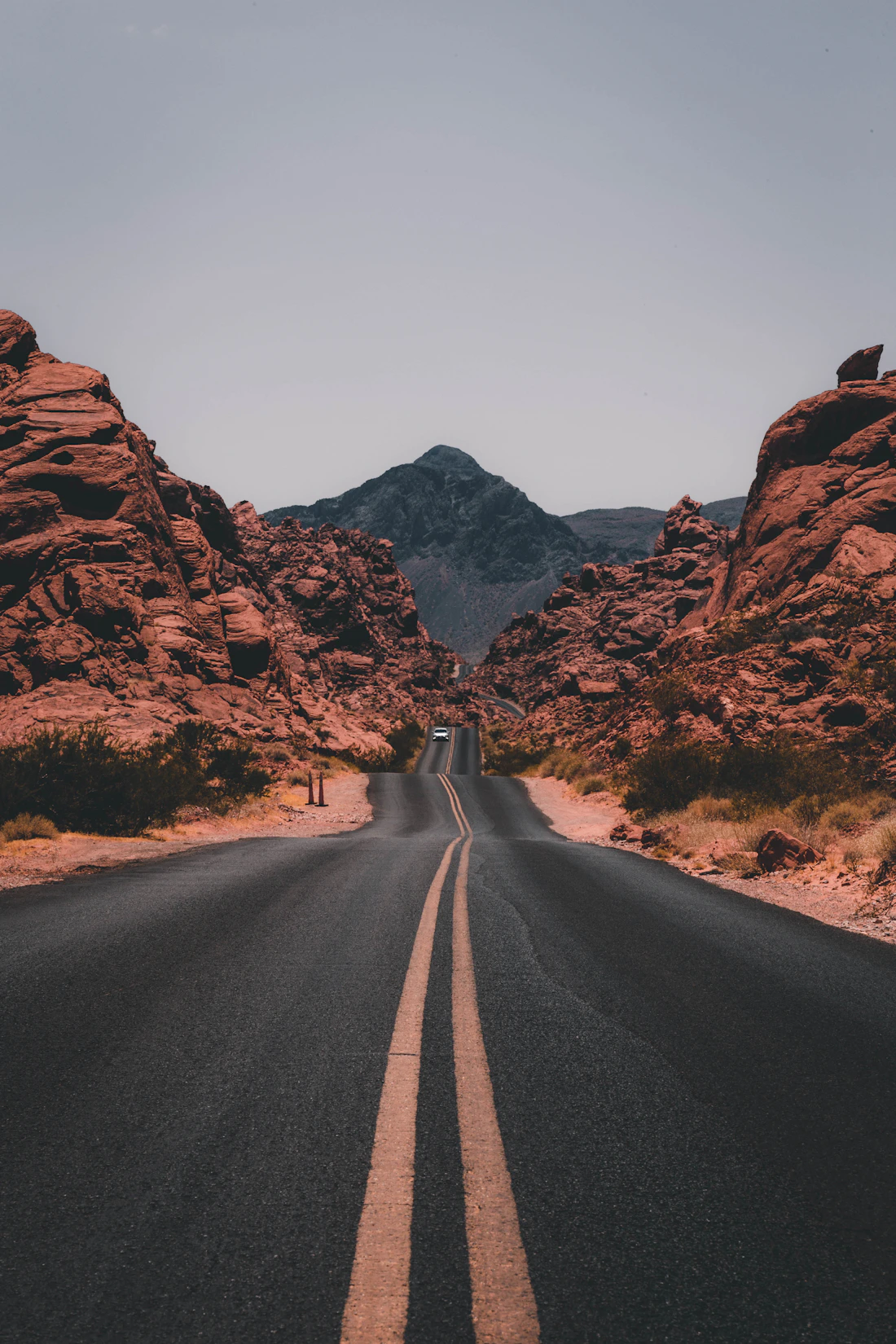
A note on origin: landscape alone cannot establish the geographic origin of a turquoise specimen. Reliable origin assessment may require gemological examination and supporting evidence.
A LEGACY IN BLUE
A gemstone whose identity is closely connected with place, history and craftsmanship.
Neyshabur has a longstanding place in the history of Persian turquoise. The locality is widely associated with the gemstone's cultural and commercial heritage, making it an important reference when exploring Iranian turquoise.
A historic name, however, should not replace evidence about an individual stone. Colour, texture, treatment and documented provenance all matter when evaluating turquoise for jewellery or trade.
Further reading from the Gemological Institute of America
Explore the history and significance of Persian turquoise from Neyshabur.
The distinctive colour and natural character of Iranian turquoise have made it a valued material in jewellery, traditional craftsmanship and contemporary design. Its best application depends on the stone's condition, stability, cut and intended use.
 01 / JEWELLERY
Turquoise is used in rings, pendants, earrings and statement pieces. Its blue and green tones pair naturally with silver, gold and other materials.
Wearable Art 02 / CRAFT
In traditional decorative work, turquoise can appear in ornamental objects and detailed inlay, where material selection and careful setting are especially important.
Craft Heritage 03 / LAPIDARY
Cutting and shaping can bring out a stone's colour and natural pattern. Because turquoise can be relatively soft and porous, the approach should suit the individual material.
Stone & Finish 04 / DESIGN
Distinctive matrix patterns and variations in colour make turquoise appealing to designers and collectors. Provenance and treatment disclosure help inform a considered purchase.
Individual CharacterChoosing the right application: not every turquoise specimen is equally suited to every use. Porosity, durability, treatments, cutting quality and the design of the finished piece should all be considered before selecting a stone.
FOR PROFESSIONAL BUYERS
Whether you are sourcing material for jewellery, artisan craft or a design project, a clear brief helps establish a more productive conversation about your needs.
To help us understand your requirements, include:

THE KNOWLEDGE CENTER
Explore practical guidance on turquoise quality, Iranian origin terminology and gemstone treatments. Reliable information helps buyers ask better questions and assess material more carefully.
Learn which characteristics to consider when assessing turquoise, including colour, pattern, finish and information about treatments.
READ THE BUYER'S GUIDEExplore the historical association between Persian turquoise and Neyshabur, one of Iran's best-known turquoise-producing districts.
EXPLORE THE RESEARCHUnderstand why disclosure about stabilisation, enhancements and other treatments is relevant when comparing turquoise materials.
LEARN ABOUT TURQUOISEFREQUENTLY ASKED QUESTIONS
Clear answers to common questions about origin, terminology, treatments and professional sourcing.
Need more information about sourcing turquoise for your project?
DISCUSS YOUR REQUIREMENTSSTART A CONVERSATION
Tell us about your project, material preferences and sourcing requirements. Start a conversation focused on turquoise, its characteristics and your intended use.
Share your requirements to begin the discussion.